Understanding Hip and Elbow Dysplasia in Large Breeds
Hip dysplasia is an abnormal development of the coxofemoral (hip) joint in which the femoral head (ball) does not fit properly into the acetabulum (socket), leading to laxity, progressive cartilage erosion, and eventually debilitating osteoarthritis. Elbow dysplasia is a collective term for several developmental conditions of the elbow joint — including osteochondrosis dissecans (OCD), fragmented medial coronoid process (FCP), and ununited anconeal process (UAP) — all of which result in joint incongruity, pain, and early-onset arthritis.
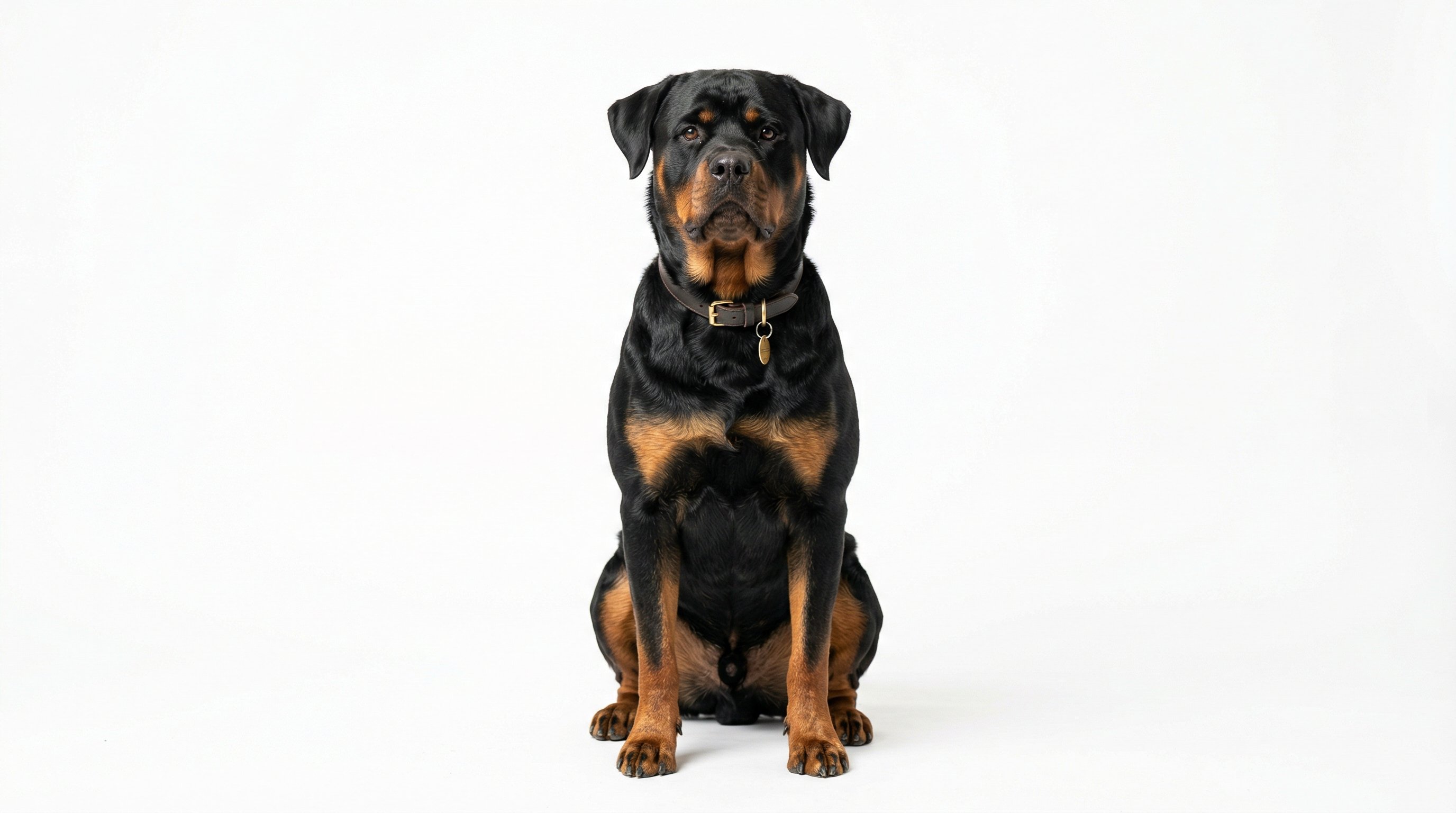
The Orthopedic Foundation for Animals (OFA) — the largest canine joint health database in North America — consistently ranks Rottweilers among the top breeds for both hip and elbow dysplasia prevalence. OFA data shows hip dysplasia rates of approximately 20% in Rottweilers evaluated, and elbow dysplasia rates of 38–40% — one of the highest in any breed. These conditions have a strong genetic component but are substantially influenced by environmental factors including diet, growth rate, and exercise type during the critical developmental period from 8 weeks to 18 months.
Start Before You Buy: Selecting a Responsible Breeder
The single most effective preventive measure against dysplasia is choosing a puppy from parents with independently verified joint health. Both parents should have OFA (in North America) or BVA/KC (in the UK) hip and elbow certifications — not just a vet's opinion, but formal radiographic evaluation graded by a panel of specialist radiologists. OFA "Good" or "Excellent" hip ratings in both parents substantially reduce the puppy's genetic risk, though they do not eliminate it entirely.
Be cautious of breeders who claim their dogs are "vet checked" without formal OFA/BVA grading, or who say they don't screen because "none of their dogs have ever had problems." Dysplasia is a radiographic diagnosis — a dog can carry and pass on the trait without ever becoming clinically lame. Ask to see the OFA certificates directly, and verify them on the OFA public database at ofa.org. This one step eliminates a significant portion of preventable dysplasia risk from the start.
Puppy Exercise: The 5-Minute Rule and Growth Plate Protection
Rottweiler puppies grow extremely rapidly — going from 500g at birth to 30–40 kg by 12 months. During this period, the growth plates (physes) at the ends of the long bones are composed of soft cartilage that is actively dividing and replacing itself with bone. These growth plates are significantly more vulnerable to injury and abnormal load than mature bone, and excessive or inappropriate exercise during this window can cause lasting structural damage to the developing joints.
The widely accepted guideline for large breed puppy exercise is the "5-minute rule": 5 minutes of structured exercise per month of age, twice daily. A 3-month-old Rottweiler puppy should have no more than 15 minutes of on-lead walking twice daily. Free play in a garden or on soft surfaces is generally fine, as puppies self-regulate informal play. What must be strictly avoided until 18 months: forced running alongside cyclists or joggers, jumping in and out of cars or onto furniture, repetitive stair use, and long hikes on hard surfaces. These activities impose high, repetitive impact loads on immature joints.
⚠️ Exercise to Strictly Avoid in Rottweiler Puppies (Under 18 Months)
- Running alongside bikes, scooters, or joggers
- Jumping from heights (cars, beds, walls) — use ramps instead
- Repetitive stair climbing — carry or use ramps where possible
- Forced running on hard surfaces (tarmac, concrete) over 10 minutes
- Agility jump work — wait until growth plates have closed (X-ray confirmation at 18 months)
- Ball chasing that involves sudden stops and direction changes at speed
Diet and Weight: The Most Modifiable Risk Factor
Research on large breed developmental orthopaedic disease consistently identifies overfeeding and rapid weight gain as the most significant modifiable environmental risk factor for dysplasia. In a controlled study at Cornell University College of Veterinary Medicine, Labrador puppies allowed to eat ad libitum (as much as they wanted) had a 3-fold higher rate of hip dysplasia radiographic changes than littermates fed 25% less. The same principle applies to Rottweilers: maintaining puppies at a lean body condition score (4 out of 9) during development dramatically reduces joint stress compared to an over-conditioned puppy.
Feed a large breed puppy formula — not a standard puppy food. Large breed puppy foods have a controlled calcium-to-phosphorus ratio (ideally Ca:P of 1.2:1 to 1.8:1) and are energy-restricted compared to standard puppy formulas. Excess calcium is directly associated with abnormal bone and cartilage development in large breed dogs — do not add calcium supplements to a puppy diet unless specifically prescribed by a vet. Switch from large breed puppy food to large breed adult food at 12–14 months, when growth rate slows substantially.
Joint Supplements: Evidence and Timing
For Rottweilers — especially those from lines with confirmed dysplasia — joint supplementation from 12 months onwards is widely recommended by veterinary orthopaedic specialists as a proactive measure. The evidence base is strongest for glucosamine hydrochloride (500–1,000 mg/day for a 40 kg dog) and chondroitin sulfate (400–800 mg/day), which are structural components of articular cartilage. Multiple clinical trials show these compounds reduce cartilage degradation markers and improve mobility scores in dogs with established osteoarthritis.
Fish oil (providing EPA and DHA omega-3 fatty acids) at 75–100 mg per kg body weight reduces synovial inflammation and has the best evidence base of any nutraceutical for canine joint disease. Physiotherapy and hydrotherapy (water treadmill or swimming) are also highly effective for maintaining muscle mass that stabilises dysplastic joints — a well-muscled Rottweiler with mild dysplasia will often remain comfortable and active for many years with appropriate management, while a poorly conditioned one with the same anatomical finding may become severely lame.
✅ Rottweiler Joint Health Protocol — By Life Stage
- Before purchase: Verify OFA hip AND elbow certification in both parents
- 8 weeks – 18 months: Large breed puppy food, 5 min/month of age exercise rule, no jumping
- 12 months: Begin glucosamine + chondroitin + fish oil supplementation
- 18 months: OFA hip and elbow X-rays — establish baseline, discuss findings with vet
- 1–7 years: Annual vet check of gait and joint range of motion; maintain lean weight
- 7+ years: Bi-annual vet assessment, consider hydrotherapy, low-impact exercise only
Want the Complete Rottweiler Care Manual?
Full joint health protocols, feeding guides by age, training programmes, health checklists, and vet schedules — all in one professionally written PDF.
Browse All Manuals →