Why Beagles Are So Prone to Ear Infections
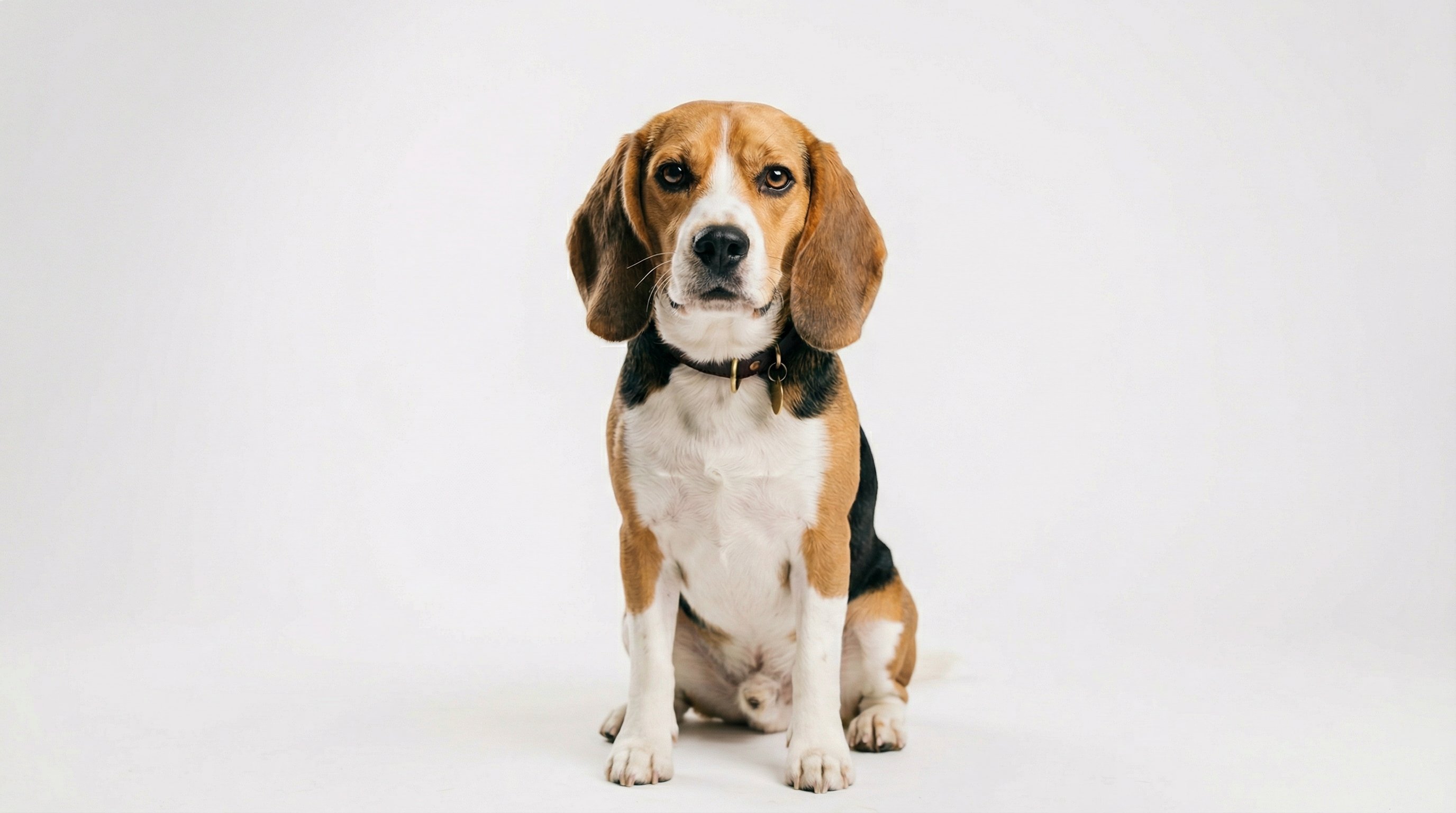
A dog's ear canal is L-shaped — nearly vertical as it descends from the external ear opening, then turning horizontally toward the eardrum. This architecture already makes dogs more prone to ear infections than humans. In Beagles, the problem is compounded significantly by their long, pendulous ear flaps (pinnae) that hang down and cover the ear canal opening. This creates a warm, dark, poorly ventilated microenvironment — ideal conditions for the proliferation of Malassezia yeast and bacteria such as Staphylococcus, Pseudomonas, and Proteus.
Studies in veterinary dermatology consistently show that floppy-eared breeds including Beagles, Cocker Spaniels, and Basset Hounds have significantly higher rates of otitis externa (outer ear infection) than erect-eared breeds. For Beagle owners, this is not a matter of if their dog will experience an ear infection, but when — and how well-prepared they are to prevent recurrences and recognise early signs before the infection progresses to the middle or inner ear, where it becomes far more serious and expensive to treat.
Early Warning Signs Every Beagle Owner Must Know
Ear infections are painful, and most dogs show behavioural signs before owners notice anything visually. Watch for: frequent head shaking (the dog trying to dislodge discomfort); scratching at one or both ears with a back foot; holding the head tilted to one side; rubbing the ear on furniture or carpet; or vocalising when the ear is touched. In some cases, a dog will become generally irritable or reactive around the head because any touch near the painful ear triggers a startle response.
Visual inspection tells you more. Gently lift the ear flap and look at the outer canal. Healthy ears should be pale pink, clean, and essentially odourless. Infection signs include: dark brown or black discharge (yeast infection), yellow or green discharge (bacterial), a yeasty or musty smell (the "corn chip" smell many owners describe), redness, or swelling of the ear canal walls. Never probe the ear canal with cotton swabs — this compacts debris further in and risks perforating the eardrum.
✅ Weekly Beagle Ear Cleaning Routine
- Lift the ear flap and examine for discharge, redness, or odour
- Apply vet-approved ear cleaning solution generously to the canal
- Gently massage the base of the ear for 20–30 seconds — you will hear a squelching sound
- Let the dog shake its head (this brings debris to the surface)
- Use cotton balls to wipe the visible outer canal and ear flap interior
- Never insert cotton swabs into the ear canal
- Dry the ear canal thoroughly — moisture is the primary infection driver
- Dry ears again after every bath and swim session
The Allergy Connection Most Owners Miss
The most important thing vets wish Beagle owners understood is this: recurrent ear infections are almost always a symptom of an underlying allergy, not just bad luck. When a dog experiences chronic or repeated ear infections — more than two or three per year — it almost invariably signals environmental allergy (atopy) or food allergy causing systemic inflammation that manifests in the skin and ear canal tissue.
Food allergies in dogs most commonly involve protein sources (chicken is the most common, followed by beef, dairy, and wheat). The connection between food and ear infections surprises many owners because we associate food reactions with vomiting or diarrhoea — but in dogs, food allergies frequently manifest primarily as itchy skin and recurrent ear infections. If your Beagle has more than 2–3 ear infections per year, discuss a dietary elimination trial with your vet before resigning yourself to a lifetime of repeated antibiotic/antifungal ear treatments.
Treatment: Why Accurate Diagnosis Matters
Ear infections in dogs are treated with topical medications applied directly into the ear canal — but the correct medication depends entirely on what organism is causing the infection. Yeast infections require antifungal agents (such as miconazole or clotrimazole). Bacterial infections require antibiotics (typically gentamicin, enrofloxacin, or polymyxin B, depending on culture results). Using an antifungal for a bacterial infection, or vice versa, will not only fail to resolve the infection but may allow it to worsen and progress.
A proper veterinary diagnosis involves a cytology exam — a swab of the ear canal discharge placed on a slide and examined under a microscope. This takes 2 minutes and definitively identifies the organism type. For recurrent infections, a culture and sensitivity test identifies the exact species and the antibiotics it responds to. Ask your vet explicitly for cytology before accepting a prescription — if the correct diagnosis isn't made, recurrent treatment failures are almost inevitable.
⚠️ When to See a Vet Urgently
- Head tilt that persists for more than a few hours — may indicate middle or inner ear involvement
- Loss of balance, stumbling, or circling — signs of vestibular disease
- Facial drooping on one side — indicates facial nerve involvement
- Sudden hearing loss (dog not responding to sounds)
- Any visible swelling at the base of the ear
- Blood in the ear discharge
Want the Complete Beagle Care Manual?
Ear care schedules, feeding guides, exercise needs, health checklists, and vet timelines for every life stage — all in one PDF.
Browse All Manuals →