The Persian's Unique Health Profile and Why Diet Matters So Much
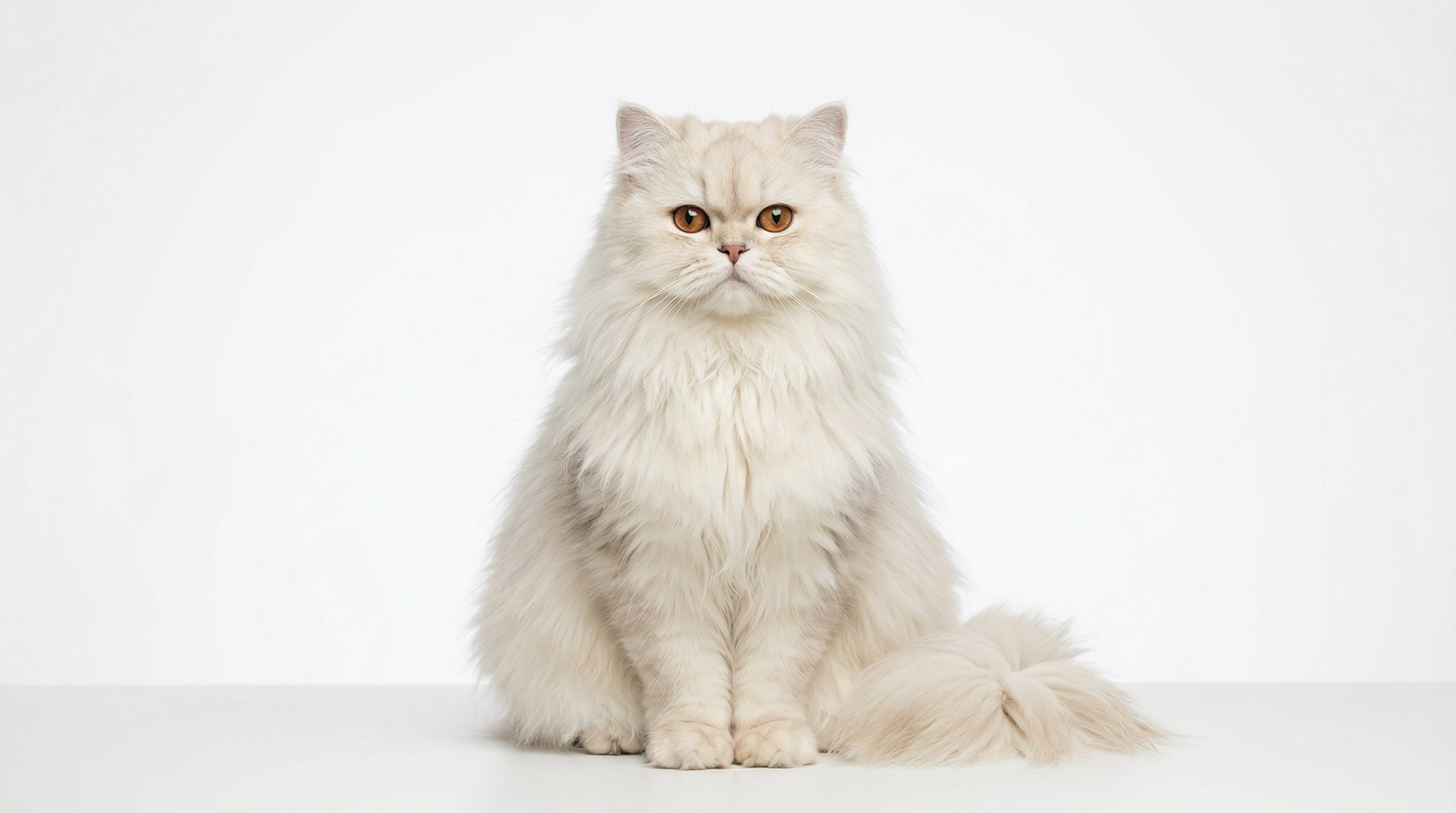
The Persian cat is one of the oldest and most recognisable breeds in the world — and one of the most medically complex. Polycystic kidney disease (PKD) — a genetic condition in which fluid-filled cysts gradually destroy kidney tissue — affects approximately 36–49% of Persians worldwide, according to studies published in the Journal of Feline Medicine and Surgery. Even Persians without the PKD gene mutation are at elevated risk of chronic kidney disease (CKD) as they age, partly due to their tendency toward chronic dehydration. Additionally, the breed's sedentary, indoor lifestyle combined with a notably food-motivated temperament creates a significant obesity risk.
Diet cannot reverse genetic disease, but it can profoundly influence disease progression. For kidneys under stress, reducing dietary phosphorus slows the rate at which remaining nephrons are damaged. For weight management, precise portion control is more effective in Persians than it is in more active breeds. Getting nutrition right from kitten hood — and adjusting it proactively at each life stage — is one of the most meaningful things a Persian owner can do for their cat's longevity.
Wet Food vs Dry Food: The Persian Case for Moisture
Cats evolved as desert predators who obtained most of their water from prey — they have a naturally low thirst drive compared to dogs and do not compensate well for dry food's low moisture content (~10%) by drinking more water. This matters enormously for Persians: chronic subclinical dehydration is a primary driver of urinary crystal formation and accelerates kidney disease progression. Dry food, while convenient, can contribute to a persistent mild dehydration that stresses the kidneys over years.
The clear dietary recommendation from veterinary nutritionists for Persians is high-quality wet food as the primary diet. Wet food typically contains 70–80% moisture, closely approximating the water content of natural prey. At minimum, a mixed diet (wet food twice daily with a small amount of dry kibble) is far preferable to dry-food-only feeding. If a Persian is reluctant to eat wet food having been raised on dry, transition gradually over 2–3 weeks by mixing increasing proportions of wet food into the dry.
Protein, Phosphorus, and the Kidney Connection
Cats are obligate carnivores — they require animal-derived protein to survive and cannot synthesise certain amino acids (including taurine and arginine) from plant sources. The minimum protein requirement for adult cats is approximately 26% on a dry matter basis, but most feline nutritionists recommend 35–45% for optimal muscle maintenance, particularly as cats age and naturally lose muscle mass. The protein source matters: look for named meats (chicken, turkey, salmon, rabbit) rather than vague terms like "meat derivatives."
For Persians, phosphorus restriction becomes critically important from middle age (7+ years) and immediately upon any diagnosis of reduced kidney function. Phosphorus accelerates the progression of chronic kidney disease in cats — studies show that cats with early-stage CKD fed phosphorus-restricted diets survive significantly longer than those on standard diets. Prescription kidney diets (available from your vet) are formulated specifically with restricted phosphorus, controlled protein, and added omega-3 fatty acids that reduce renal inflammation. Do not attempt to self-formulate a kidney diet without veterinary guidance — the balance of nutrients is complex.
📋 Daily Feeding Schedule for an Adult Persian (4–7 years)
- Morning (7–8am): Half of daily wet food ration (~50–60g of a 10% protein wet food)
- Evening (6–7pm): Remaining half of wet food ration
- Caloric target: 200–250 kcal/day for a 4 kg Persian of healthy weight
- Treats: Maximum 10% of daily calories — use freeze-dried single-protein treats
- Water: Fresh water in a wide, flat bowl or cat water fountain at all times
- Never free-feed — Persians will overeat to obesity without portion control
Bowl Shape and Whisker Fatigue: A Detail That Matters for Flat-Faced Cats
Persians share the flat-faced (brachycephalic) anatomy of breeds like the French Bulldog, which affects how they eat. Deep, narrow food bowls cause "whisker fatigue" — repeated contact of the sensitive vibrissae (whiskers) against the bowl sides creates sensory discomfort that can cause a Persian to eat less or paw food out of the bowl to eat off the floor. Always use wide, flat, shallow bowls — specifically designed for flat-faced cats — that allow the Persian to eat without their whiskers touching the sides. This small change can significantly improve food intake consistency and reduce mealtime stress.
⚠️ Foods Strictly Off-Limits for Persian Cats
- Onions and garlic (and all allium family) — cause Heinz body anaemia
- Grapes and raisins — mechanism unclear but associated with acute kidney failure
- Raw fish fed regularly — causes thiamine (Vitamin B1) deficiency over time
- Liver in excess — causes Vitamin A toxicity (hypervitaminosis A)
- Cow's milk — most adult cats are lactose intolerant; causes diarrhoea
- Dog food — lacks taurine and other feline-specific nutrients; causes heart disease long-term
Want the Complete Persian Cat Care Manual?
Full feeding guides, kidney health monitoring, grooming schedules, vet timelines, and breed-specific health checklists — all in one PDF.
Browse All Manuals →