Why the Sphynx Is the Only Cat Breed That Needs Regular Baths
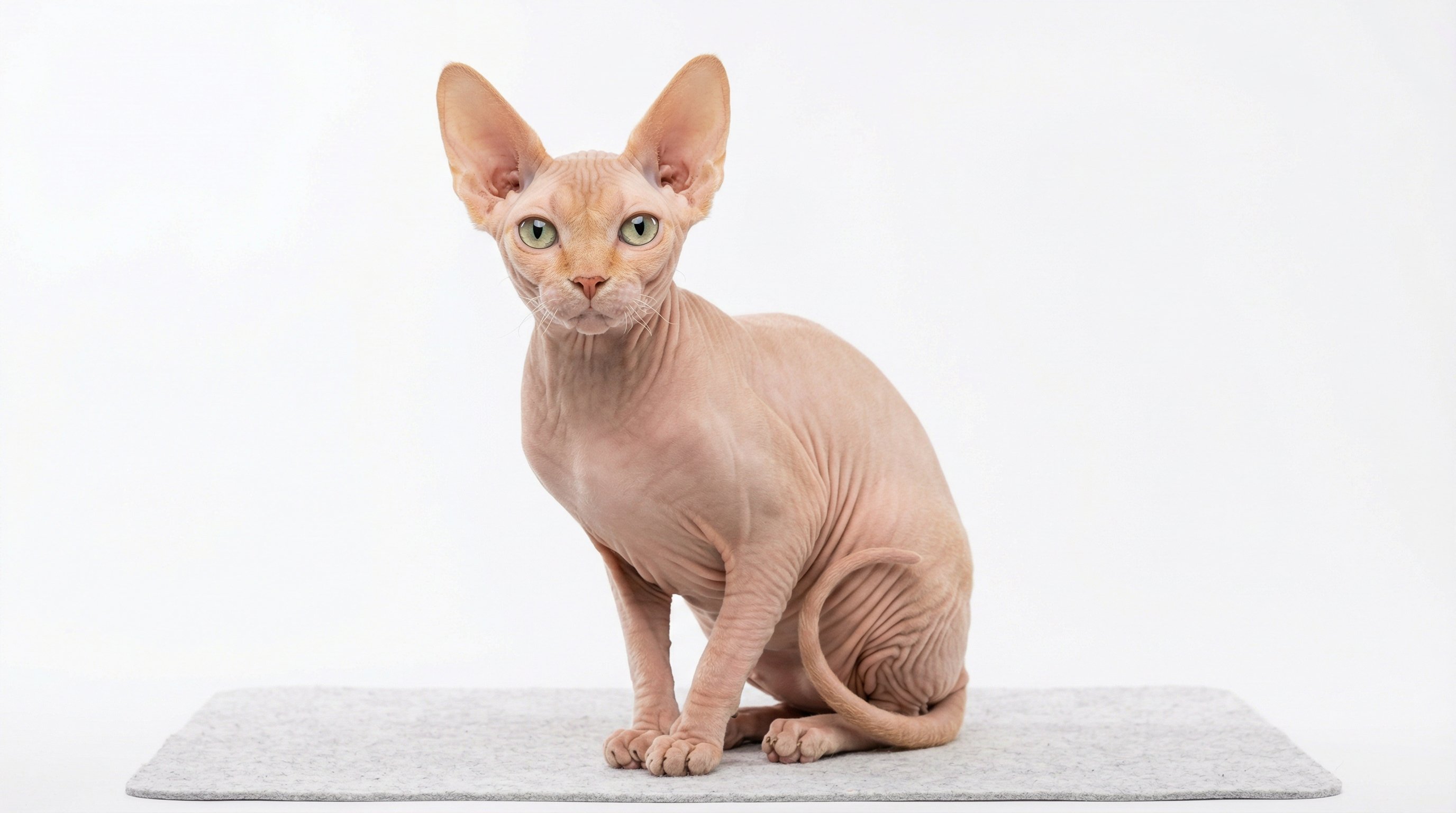
All cats produce sebum — a natural, waxy oil secreted by glands in the skin. In furry cats, this oil is distributed along the coat as the cat grooms, keeping the fur conditioned and the skin balanced. The Sphynx, lacking a full coat of guard hairs, has nowhere for this oil to go. Instead, sebum accumulates directly on the skin surface, in skin folds, around the base of the nails, and in the ears — leading to a greasy, yellowish-brown buildup that can smell unpleasant and cause skin infections if left untreated.
This is not a flaw in the breed — it is simply the biological consequence of a hairless body. A well-groomed Sphynx is a clean, healthy, low-odour cat. A neglected one will develop blackheads, fungal skin infections, blocked pores, and ear mite infestations at a rate far higher than furred breeds. Most Sphynx vets recommend bathing every 1–2 weeks, though cats with particularly oily skin may need weekly baths from kittenhood.
What You Need Before the First Bath
Never use human shampoo on a Sphynx — or any cat. Human skin has a pH of approximately 5.5 (acidic), while cats have a skin pH of 6.5–7.5 (more neutral). Using human products disrupts the feline skin barrier, leading to dryness, irritation, and increased susceptibility to infection. Choose a gentle, fragrance-free cat-specific shampoo formulated for sensitive skin. Some Sphynx owners use hypoallergenic baby wash in a pinch, but a veterinary-recommended cat shampoo is always preferable.
You will also need: a non-slip mat for the sink or tub (Sphynx cats feel unsafe on slippery surfaces and panic), two warm fluffy towels, cotton balls for ear cleaning, a soft toothbrush or nail brush for nail fold cleaning, and a warm room. Because Sphynx cats have no insulating fur, they lose body heat rapidly once wet — your bathroom should be at least 22°C (72°F) before you begin, and the cat should be dried and wrapped immediately after rinsing.
🛁 Step-by-Step Sphynx Bath Routine
- Prepare: Fill sink with 5–8 cm of lukewarm water (38°C / 100°F). Set out towels. Warm the room.
- Wet the body: Use a cup or handheld sprayer to wet the cat gradually, starting at the back and avoiding the head initially.
- Apply shampoo: Use a small amount of cat-safe shampoo. Gently massage into all skin folds, under the "armpits," along the belly, and between the toes.
- Nail folds: Use a soft toothbrush to gently scrub the dark sebum from the grooves around each nail. This buildup is normal but must be removed to prevent infection.
- Face last: Wipe the face with a warm damp cloth — avoid getting water in the ears directly.
- Rinse thoroughly: Any shampoo residue left on skin can cause irritation. Rinse until the water runs clear.
- Dry immediately: Wrap in a warm towel and gently pat dry. Never let a Sphynx air-dry in a cool room — they chill within minutes.
- Post-bath warmth: Offer a warm blanket or heating pad on low in their favourite spot for 30 minutes after bathing.
Ear Cleaning: The Most Important Weekly Task
Sphynx cats produce significantly more ear wax than furred breeds — again, because there are no hairs in the ear canal to filter debris and slow its accumulation. A dark brown or blackish waxy buildup in the ears is completely normal in a Sphynx, but it must be cleaned weekly to prevent yeast and bacterial infections and to discourage ear mites, to which hairless cats are more susceptible.
Use a veterinarian-recommended ear cleaning solution applied to a cotton ball — never cotton swabs inserted into the ear canal, as this can compact wax and damage the eardrum. Gently wipe the visible surfaces of the outer ear, the ridges, and as far into the canal as your finger comfortably reaches. If the discharge is green, has a strong odour, or the cat is shaking its head or scratching its ears, have a vet examine them — this indicates infection rather than normal buildup.
Building a Positive Association from Kittenhood
Sphynx kittens introduced to baths before 12 weeks of age almost universally accept them as a normal part of life. Adult cats that have never been bathed require a much longer desensitisation process. The key is to make every element of the routine — the sink, the water sound, the shampoo smell — associated with positive outcomes. Feed high-value treats during and after the bath. Keep sessions short initially (5 minutes), gradually extending time as the cat becomes comfortable.
Never scruff (grab by the loose skin on the neck) a Sphynx during bathing — this creates fear rather than compliance and will make every future bath a battle. Instead, let them stand or sit naturally in the water, offering treats continuously. A second person to handle treats while you wash is enormously helpful for the first dozen baths. Most Sphynx owners report that by 6 months of consistent bathing, their cat will walk into the bathroom on bath day with minimal protest.
⚠️ Signs of Skin Infection — See Your Vet
- Red, inflamed patches or raised bumps on the skin
- Black comedones (blackheads) that don't resolve with bathing
- Persistent strong odour between baths despite weekly washing
- Excessive scratching, especially around the neck, ears, or belly
- Any open sores or weeping lesions
Want the Complete Sphynx Cat Care Manual?
Full grooming schedules, diet guides, temperature management, health screening, and breed-specific vet checklists — all in one professionally written PDF.
Browse All Manuals →